 1 / 19
Нажмите на любое изображение, чтобы увеличить, затем листайте свайпом или стрелками — видны все листы.
Почти любой бюджетный шаблон предполагает зарплату. Если вы зарабатываете от 800 до 4 000 в месяц и никогда одинаково, они не просто выглядят неуместно — к вам не применима сама арифметика. Нельзя разделить год на двенадцать равных месяцев, когда три из них не принесли ничего. Этот файл построен наоборот: вы записываете, что и когда на самом деле пришло, а он считает зарплату, которую вы можете себе платить, подушку под ваш собственный разброс и то, на сколько вас хватит, если работа завтра кончится.
Настоящую работу делают четыре расчёта, и каждый из них расписан на листе простыми словами рядом с числом. Ваша своя зарплата — это 25-й процентиль последних двенадцати записанных месяцев чистого дохода, сумма, которую вы перекрываете примерно в девяти месяцах из двенадцати. Рядом стоят среднее и медиана с пометкой «для сравнения», чтобы было видно, почему их отвергли: среднее тянет вверх один блестящий месяц, и в остальных одиннадцати вам не хватает. Волатильность дохода — это коэффициент вариации, стандартное отклонение к среднему, разложенный по словесным полосам, а не оставленный голым 0,53. Цель по подушке — MIN(12, MAX(3, ROUNDUP(3 + 12 × CV, 0))) месяцев простоя, потому что «три месяца расходов» — совет, написанный для людей на зарплате, и для вас он либо избыточен, либо совершенно недостаточен. И главное число: остаток подушки, делённый на стоимость одного тихого месяца, напечатанный как «при нулевом доходе вас хватит на 4,1 месяца».
Одиннадцать связанных листов и больше трёх с половиной тысяч формул. Журнал доходов на 600 строк с выпадающими списками клиентов и категорий, где всё считается по дате, когда деньги действительно пришли, а не по дате счёта. Сводка на 24 месяца, где заполняются два столбца, а остальное считается. Лист налогового резерва, который сравнивает, сколько вы должны по вашей же ставке, с тем, сколько вы на самом деле отложили, и краснеет накопленным разрывом, когда вы отстаёте, — ставка ваша, никогда не наша, и ничего похожего на налоговую консультацию. Трекер на 40 клиентов со средним сроком оплаты и показателем концентрации, который объясняет большую часть фрилансерской волатильности. Годовой обзор со скользящим двенадцатимесячным CV, чтобы видеть, успокаивается ли ваш доход.
Он ещё и отказывается вам льстить. Если ваши постоянные расходы не оставляют места для зарплаты, которую предлагает правило, лист Self-Paycheck так и говорит — словами, с разрывом в деньгах, — потому что уверенное число, которое вы не можете себе выплатить, хуже, чем никакого. Если истории меньше шести месяцев, он печатает прочерк, а не догадку.
Файл приходит заполненным четырнадцатью месяцами вымышленного фрилансера — тридцать семь счетов, двенадцать клиентов, коэффициент вариации 0,53 и один месяц почти без дохода, — так что каждый график и каждый расчёт живые сразу при открытии. Очистить жёлтые ячейки — две минуты, и файл ваш. Любая валюта, любой стартовый месяц, ничего не зашито под одну страну. Только классические формулы, поэтому он ведёт себя одинаково в Excel 2016 и новее, Excel 365 и Google Sheets. В комплекте пакет для печати на семь страниц в US Letter и A4, цветной и в режиме экономии чернил.
Проверьте расчёт на своих числах
Это живой расчёт листов Self-Paycheck и Buffer & Runway из книги — на нашем сервере, по тем же правилам, до цента. Поля заполнены образцовым годом со скриншотов; впишите свои месяцы и пересчитайте.
| Среднее (простое) | 2 818,33 $ | только для сравнения |
|---|---|---|
| Медиана (средний месяц) | 2 860,00 $ | только для сравнения |
| 25-й перцентиль — ваша «зарплата себе» | 1 652,50 $ | Эту сумму вы превышаете примерно в 9 месяцах из 12; среднее и медиана выше — для контраста. |
| Волатильность (CV = ст. отклонение ÷ среднее) | 0.53 | Волатильно. Подушке придётся работать всерьёз. |
| Месяцев подушки по вашей волатильности | 10 | Правило: MIN(12, MAX(3, ROUNDUP(3 + 12 × CV))) |
| Целевая подушка | 35 025,00 $ | 10 мес. × 3 502,50 $ (зарплата себе + постоянные расходы) |
| Ваш худший записанный месяц | 640,00 $ | Сколько подушка гасит в такой месяц: 2 862,50 $ |
| Месяцев продержитесь при нулевом доходе | 4.1 | Остаток подушки ÷ (зарплата себе + постоянные расходы) — главное число дашборда книги. |
Считается на нашем сервере по правилам книги, сверенным с независимой моделью. Ваши числа используются для этого ответа и нигде не сохраняются.
Полная книга делает это на журнале в 600 строк и 24 месяцах, добавляет резерв под налоги и учёт клиентов и показывает всё на дашборде — 29 $
Бесплатный стартовый набор и полная версия
Бесплатный файл — настоящий рабочий, а не картинка. Всё, что ниже, буквально верно для обоих: ничего не отключено специально, чтобы заставить доплатить.
| Что вы получите | Бесплатно | Полная версия · 29 $ |
|---|---|---|
| Самозарплата по последним 12 месяцам | ✓ | ✓ |
| Волатильность дохода, объяснённая словами | ✓ | ✓ |
| Буфер, рассчитанный от вашей собственной волатильности | ✓ | ✓ |
| Худший месяц и на сколько хватит при нулевом доходе | ✓ | ✓ |
| Проверка: а можете ли вы вообще платить себе столько | ✓ | ✓ |
| Excel, Google Sheets, LibreOffice · любая валюта | ✓ | ✓ |
| Строк дохода можно внести | 12 | 600 |
| Месяцев истории | 12 | 24 |
| Сводка по месяцам: приход, чистыми, налог, остаток | — | ✓ |
| Учёт отложенного на налоги | — | ✓ |
| Трекер клиентов — кто платит и как быстро | — | ✓ |
| Панель с четырьмя графиками | — | ✓ |
| Годовой обзор и тренд волатильности | — | ✓ |
| Печатный пакет · A4 и US Letter · цвет и эконом | — | ✓ |
| Листов | 3 | 11 |
| Живых формул | 61 | 3,724 |
Что вы получите
- 11 связанных листов, 3 700+ формул — без макросов, без надстроек, ничего не заблокировано
- Своя зарплата = 25-й процентиль последних 12 записанных месяцев, показан по шагам рядом со средним и медианой, чтобы было видно, почему их отвергли
- Волатильность дохода как коэффициент вариации, разложенный по простым словесным полосам: ровно, тряско, волатильно, то густо то пусто
- Цель по подушке считается от вашего собственного разброса — MIN(12, MAX(3, ROUNDUP(3 + 12 × CV, 0))) месяцев, — и каждое число в правиле редактируется на листе Settings
- «При нулевом доходе вас хватит на N месяцев» плюс таблица из шести строк: без дохода, четверть, половина, три четверти и целый средний месяц, и ваш худший месяц на сегодня
- Просадка худшего месяца: ваш худший месяц, недобор, который он оставил, и сколько таких месяцев покрывает ваша подушка
- Проверка на посильность, которая прямо говорит, когда постоянные расходы не оставляют места для зарплаты, предложенной правилом
- Журнал доходов на 600 строк, считающий по дате, когда вам ЗАПЛАТИЛИ, с выпадающими списками клиентов и категорий, комиссиями, чистой суммой и сроком оплаты
- Трекер налогового резерва: сколько должны по вашей собственной ставке против того, сколько вы отложили, с накопленным разрывом красным
- Трекер на 40 клиентов со средним сроком оплаты, долей в доходе и показателем концентрации; сводка с 8 числами и 4 графиками
- Пакет для печати на 7 страниц в 4 файлах (US Letter + A4, цветной + экономия чернил): трекер счетов, журнал налогового резерва, месячная сверка, план худшего месяца, годовой обзор
- Любая валюта, любой стартовый месяц · Excel 2016+ и Google Sheets · PDF с настройкой Google Sheets в комплекте
Посмотреть все страницы
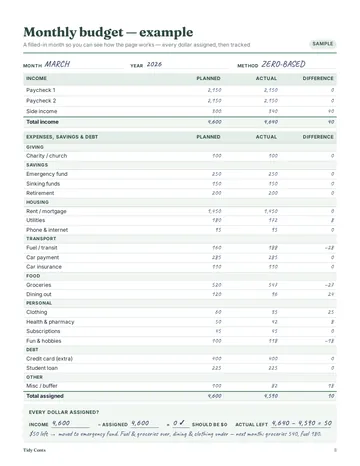
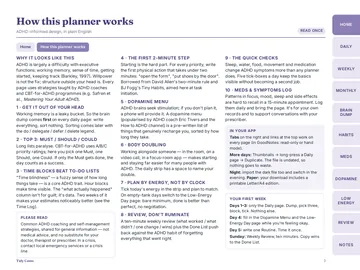
Нажмите на страницу, чтобы увеличить.


Что внутри
Вопросы
Почему 25-й процентиль, а не среднее?
Потому что среднее — это обещание, которого не сдержать. Один блестящий месяц тянет среднее вверх, и в остальных одиннадцати вам не хватает; медиана по определению оставляет вас без денег каждый второй месяц. 25-й процентиль — это уровень, который вы перекрываете примерно в девяти месяцах из двенадцати: достаточно низкий, чтобы пережить тихий месяц, достаточно высокий, чтобы на него жить. Лист показывает все три рядом и словами объясняет, почему берёт именно этот, — чтобы вы могли осознанно не согласиться.
Я на фрилансе всего несколько месяцев. Сработает?
Журнал, налоговый резерв и трекер клиентов работают с первого дня. Своя зарплата не печатается, пока не записано шесть месяцев: до этого стоит прочерк и строка «запишите не меньше 6 месяцев, прежде чем это число что-то будет значить». Три точки данных не расскажут, как выглядит обычный месяц, и мы лучше покажем ничего, чем уверенное неверное число.
Чем цель по подушке отличается от «трёх-шести месяцев расходов»?
Тот совет писался для людей на зарплате, у которых главный риск — одна внезапная потеря работы. Ваш риск — разброс, несколько небольших недоборов подряд. Файл берёт MIN(12, MAX(3, ROUNDUP(3 + 12 × CV, 0))) месяцев, поэтому подрядчик на ровном абонентском договоре оказывается около трёх месяцев, а тот, у кого коэффициент вариации выше 0,7, — около одиннадцати-двенадцати. База, множитель и обе границы — обычные жёлтые ячейки на листе Settings, а правило напечатано на листе, чтобы с ним можно было спорить.
Работает ли он в Google Sheets?
Да. Загрузите .xlsx на Google Диск, откройте и выберите «Файл → Сохранить как Google Sheets». Все формулы используют функции, которые Таблицы поддерживают: PERCENTILE, MEDIAN, STDEV, SUMIFS, COUNTIFS, AVERAGEIFS, INDEX/MATCH, SUMPRODUCT, LARGE, EDATE, TEXT. Нет ни макросов, ни XLOOKUP, ни FILTER, ни динамических массивов, поэтому своя зарплата и CV выходят до того же цента в обоих. Одностраничный PDF в загрузке проводит по шагам.
Он подсказывает, какую налоговую ставку взять?
Нет, и никогда не будет. Свой процент резерва вы вписываете на листе Settings, а лист Tax Set-Aside только сравнивает, сколько по этой ставке начислено, с тем, сколько вы на самом деле перевели на налоговый счёт. Правила разные в разных странах, штатах и для разных форм дела — спросите своего бухгалтера или налоговый орган. Ничто в этом файле не является налоговой или финансовой консультацией.
Дата счёта или дата оплаты?
Везде дата оплаты. В журнале есть обе, поэтому по каждому клиенту виден средний срок оплаты, но каждый итог, среднее, процентиль и график считают деньги в день их прихода. Сглаживать доход по счетам, которые вам не оплатили, — значит потерять смысл. Счета без даты оплаты видны как неоплаченные на листе Client Tracker и больше нигде.
А если в месяце работы не было вообще?
Если вы за этот месяц ничего не записали, он не попадает в окно, а не считается нулём: ложный ноль потянул бы вниз все средние и раздул вашу волатильность. Если вы действительно не заработали ничего и хотите это учесть, запишите за этот месяц строку с нулевой суммой, и она войдёт. Месяц почти без дохода в демонстрационных данных стоит там намеренно, чтобы вы увидели, как реагирует логика подушки.
Это правда демонстрационные данные, которые можно удалить?
Да. Четырнадцать месяцев вымышленного фрилансера — тридцать семь счетов, двенадцать клиентов — лежат только в жёлтых ячейках ввода, поэтому каждый график работает сразу при открытии файла. Очистите Income Log A7:K606, Monthly Roll-up H7:I30, Client Tracker B7:B46 и жёлтые ячейки на Settings. Лист Read me перечисляет все диапазоны. Формулы, выпадающие списки и графики остаются на месте.
Что в пакете для печати?
Семь страниц, отданных четырежды: US Letter и A4, цветной и в режиме экономии чернил. Обложка, страница-инструкция, трекер на 24 счёта со сводкой неоплаченного и сроков оплаты, двенадцатимесячный журнал налогового резерва с накопленным разрывом, страница месячной сверки, план худшего месяца, который заполняют в хороший месяц и читают в плохой, и годовой обзор. Они повторяют файл, поэтому числа, которые вы переносите, всегда значат одно и то же.
Он скажет мне, что я не могу позволить себе собственную зарплату?
Если так говорит арифметика, то да. Шаг 4 листа Self-Paycheck берёт ваш средний месяц, вычитает налог по вашей ставке и постоянные месячные расходы и сравнивает остаток с зарплатой, которую предлагает правило. Если есть разрыв, он печатает его в деньгах и говорит, что правило процентиля подбирает зарплату, которую вы обычно перекрываете, но не проверяет, оставляют ли для неё место ваши постоянные расходы. Большинство инструментов вместо этого молча выдают число.
Лицензия для использования в вашем собственном бизнесе. Перепродажа и распространение запрещены. Доставляется как ZIP-файл сразу после оплаты. Физический товар не отправляется.
Набор для нерегулярного дохода
Платите себе фиксированную сумму при нестабильном доходе: собственная «зарплата», рассчитанная по вашим последним двенадцати месяцам, подушка под вашу волатильность и цифра, которую не даёт больше никто, — на сколько вас хватит при нулевом доходе?
Что входит в бесплатную версию, а что нет →
Оплата картой, через Apple Pay или Google Pay
- Работает в любой стране · в вашей валюте
- Файлы внутри — на английском языке.
- Ссылка на скачивание на странице заказа и в письме
- Что понадобится: Excel 2016+ · Google Таблицы · PDF (US Letter + A4)
- Возврат в течение 14 дней — для любой покупки
- 7 стр.
- 11 листов · 3 724 формулы
- Форматы: .xlsx (Excel 2016+, Google Таблицы) + руководство в PDF
- ZIP-архив: 755 KB
Любая покупка возвращается, если вы попросите в течение 14 дней после оплаты. Файлы, которые не открываются, и всё, что не соответствует описанию, возвращаем полностью в любое время, без ограничения срока.